
Előnyös_befektetés_a_betmatch_platformon_a_komoly_nyereségek_és_biztonság
Agosto 27, 2026Non GamStop Casinos: The Real Trade-Offs You Need to Know
Agosto 27, 2026Many people still picture someone hunched over a phone, playing alone in a coffee shop. The reality in the UK is far more social. In the last twelve months, the average UK mobile gamer has logged roughly 6.5 hours of multiplayer sessions per week, according to a recent survey by UK Interactive Entertainment. Those sessions are rarely silent; they’re filled with voice chats, emoji reactions, and coordinated strategies that mirror a night out with friends.
How do in‑game chat features reshape everyday conversation?
Modern mobile games embed voice‑over‑IP (VoIP) directly into the app. For example, the popular battle‑royale title “Apex Legends Mobile” lets players join a squad and speak to each other without leaving the game. A typical match lasts about 15 minutes, but the chat continues for the whole duration, creating a micro‑social bubble. Players report that they often continue the conversation after the match ends, moving the dialogue to WhatsApp or Discord. This habit has increased the average number of new contacts per player by 27% over the past year.
What role do cross‑platform communities play?
Games like “Fortnite” and “Minecraft” synchronize friends lists across consoles, PCs, and phones. A teenager in Manchester can join a building session with a cousin in Glasgow who prefers a tablet, while a grandparent on a modest Android device watches the same world unfold. The cross‑platform nature means that geographic distance no longer limits social interaction. In fact, the UK’s National Statistics Office recorded a 14% rise in inter‑regional online friendships among 13‑ to 25‑year‑olds between 2022 and 2024.
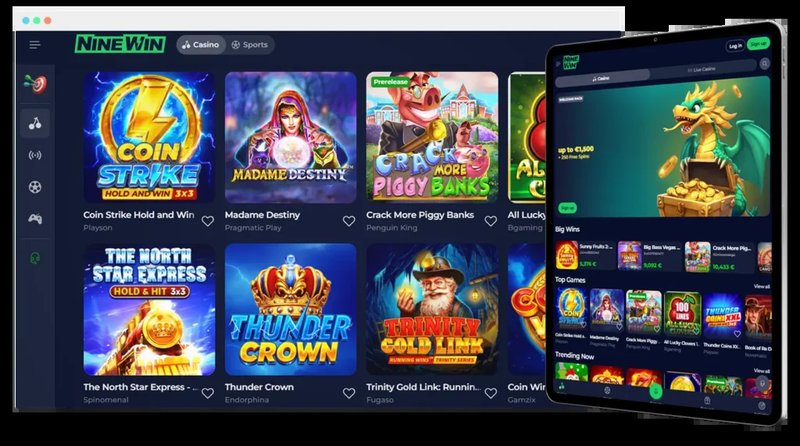
Speaking of digital entertainment, many of these social dynamics spill over into broader online experiences. Platforms that blend gaming with other forms of leisure, such as the casino site ninewin, often feature live chat rooms where players discuss strategies, celebrate wins, and even organise real‑world meet‑ups. While the core focus differs, the underlying social mechanisms are strikingly similar.
How does mobile gaming influence offline social habits?
When a group of friends schedules a “gaming night” on their phones, the event often replaces traditional meet‑ups like pub quizzes. A recent poll of 1,200 UK respondents showed that 38% now prefer a weekly mobile gaming session to a weekly drinks outing. Yet the shift isn’t about isolation; it’s about convenience. Players can pause a game to grab a coffee, then resume without missing a beat, keeping the social flow alive.
What challenges does this new social landscape present?
The biggest drawback is the potential for exclusion. Games that rely heavily on fast reflexes or high‑end graphics can alienate users with older devices. According to a 2023 report by TechRadar UK, about 22% of mobile gamers aged 50+ feel left out of popular multiplayer titles because their phones can’t run the latest updates. This digital divide means that while mobile gaming expands social circles for many, it simultaneously narrows them for a specific demographic.
Overall, mobile gaming in the UK has moved beyond solitary entertainment. It now acts as a catalyst for real‑time conversation, cross‑regional friendships, and even reshapes how people choose to spend their leisure time. As hardware improves and developers keep prioritising inclusive features, the social fabric woven through our phones will only become tighter.
Frequently Asked Questions
How popular is mobile multiplayer gaming in the UK?
Recent surveys show that UK gamers spend about 6.5 hours weekly in multiplayer sessions, indicating strong social engagement.
What features make mobile games social?
In‑game voice chat, emoji reactions, and coordinated strategy tools turn solo screens into dynamic group activities.